Why Proposed Projects Are Dividing Local Communities
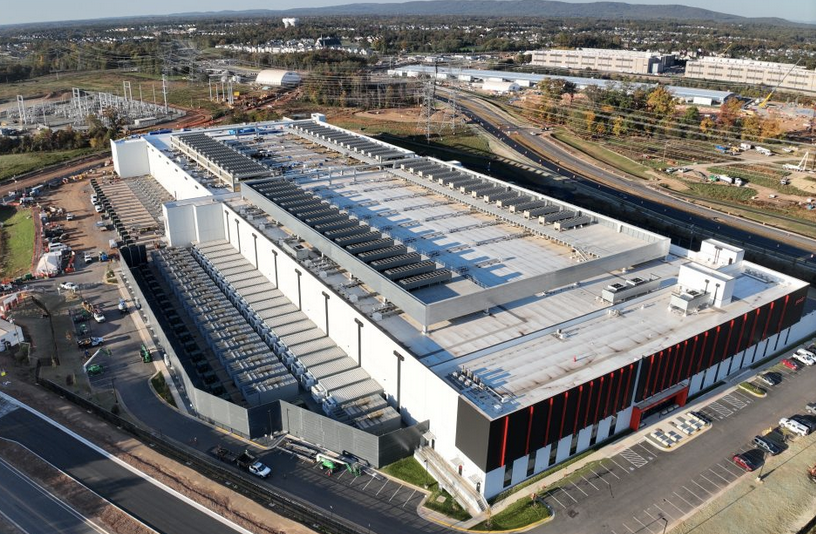
The rapid expansion of artificial intelligence (AI), cloud computing, and digital services has fueled unprecedented demand for new data centers across Virginia. While Northern Virginia remains the world’s largest concentration of data centers, developers are increasingly looking west toward the Shenandoah Valley, where available land and access to major infrastructure have made communities such as Warren County and Shenandoah County attractive locations for future projects.
Supporters argue that data centers could bring new tax revenue, infrastructure investment, and economic development. Opponents, however, say the facilities could permanently alter the rural character of the Shenandoah Valley while increasing demands on electricity, water resources, and local infrastructure. As proposals continue to move through the planning process, the debate has become one of the region’s most closely watched land-use issues.
Why Developers Are Looking to the Shenandoah Valley
Virginia has become the global leader in data center development, hosting hundreds of facilities that power cloud computing, streaming services, financial systems, and artificial intelligence applications. As available land becomes increasingly scarce and expensive in Northern Virginia, developers have begun evaluating locations farther west where larger parcels of land are available and transportation and fiber-optic infrastructure can support future expansion.
Several proposed projects in the Shenandoah Valley have focused on areas near existing industrial corridors, where developers believe infrastructure improvements can accommodate large-scale facilities. Proponents also point to potential increases in local tax revenue that could help fund schools, emergency services, and other public infrastructure without requiring significant residential development.
Growing Citizen Opposition
Despite the potential economic benefits, organized community opposition has grown rapidly throughout the Valley.
In Warren County, residents have voiced concerns during public hearings over proposals that could allow data center development near Front Royal. Citizen groups have questioned whether the long-term impacts on the community outweigh the projected financial benefits. Among the issues frequently raised are:
- Preservation of rural landscapes and scenic views
- Increased electricity demand
- Water consumption for cooling systems
- Noise from backup generators and cooling equipment
- Traffic during construction
- Effects on nearby residential property values
- Compatibility with tourism and outdoor recreation
Public opposition has been significant enough that the Warren County Planning Commission voted against recommending a zoning change that would have allowed data center development in one proposal, illustrating the level of public concern surrounding the issue.
Shenandoah County Adopts New Regulations
Neighboring Shenandoah County has taken a different approach.
After months of public meetings and citizen comments, the Shenandoah County Board of Supervisors adopted a comprehensive data center ordinance rather than imposing a temporary moratorium requested by some residents. The ordinance establishes additional review requirements for future proposals, including standards addressing setbacks, noise, and other operational considerations before projects may proceed.
County officials have stated that the ordinance is intended to provide greater predictability for both residents and developers while ensuring future projects undergo public review.
Water and Energy Concerns
One of the most frequently discussed issues involves the significant electricity and water requirements associated with modern data centers.
Many facilities rely on substantial electrical capacity to power servers around the clock, while some cooling systems require large quantities of water depending on the design. A recent Virginia groundwater study recommended stronger oversight of industrial water withdrawals as the Commonwealth continues to evaluate future data center growth and long-term water sustainability.
Residents have also expressed concern that increasing electrical demand could place additional pressure on regional power infrastructure and potentially contribute to higher utility costs over time, although the long-term impacts remain the subject of ongoing study and regulatory review.
Economic Benefits Supporters Highlight
Supporters of data center development argue that the facilities can provide substantial economic benefits to local governments.
Potential advantages often cited include:
- Increased local tax revenue
- Infrastructure improvements
- Construction employment
- Diversification of the local tax base
- Reduced reliance on residential property taxes
Unlike traditional industrial facilities, data centers generally generate relatively little daily traffic once operational and can contribute significant business property tax revenue to local governments. Proponents argue these revenues may help fund schools, public safety, and other county services.
A Debate Shaping the Valley’s Future
The discussion surrounding data centers reflects broader questions about growth, economic development, and land-use planning throughout the Shenandoah Valley. Residents, elected officials, environmental organizations, and developers continue to debate how to balance technological infrastructure with the preservation of the Valley’s rural landscapes and quality of life.
As additional proposals emerge, local planning commissions and boards of supervisors are expected to continue evaluating projects through public hearings, environmental reviews, and zoning processes that allow community members to participate in decisions affecting their neighborhoods.
Sources
- WHSV News – Shenandoah County data center ordinance.
- ABC7/WJLA – Warren County data center proposal and public opposition.
- Royal Examiner – Citizen opposition and public hearings in Warren County.
- Virginia Business – Valley communities preparing for data center development.
- Associated Press – Virginia groundwater study examining data center water usage.