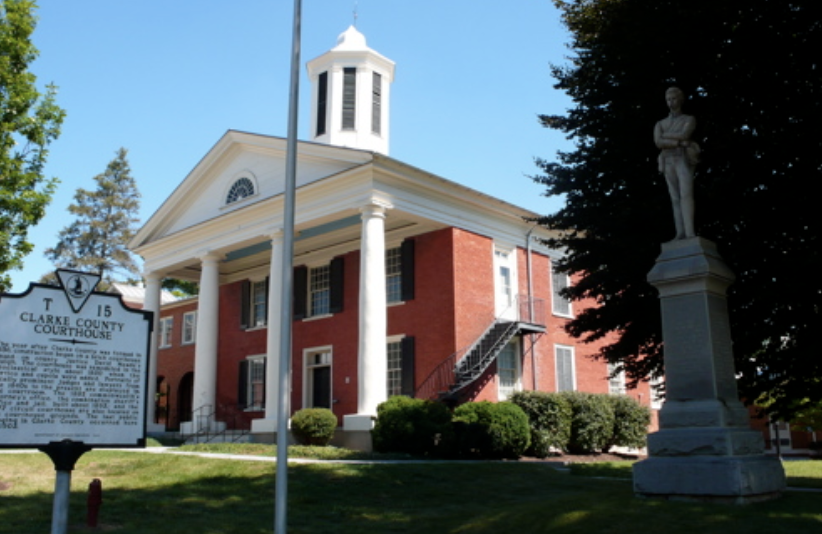
A Guide to Local Crime Data and Public Safety
Located in Virginia’s northern Shenandoah Valley, the City of Winchester and Frederick County are home to more than 100,000 residents combined and serve as a regional center for business, healthcare, tourism, and transportation. Whether you are planning to relocate, purchase a home, invest in property, or simply learn more about the community, understanding local crime statistics can provide valuable insight into public safety. This guide explains where official crime data comes from, how to interpret it correctly, and where to find reliable government resources.
Where Crime Statistics Come From
Crime statistics for Winchester and Frederick County are reported by local law enforcement agencies, including the Winchester Police Department, the Frederick County Sheriff’s Office, and the Virginia State Police. These agencies participate in the FBI’s National Incident-Based Reporting System (NIBRS) through Virginia’s Incident-Based Reporting (IBR) program. The FBI’s Crime Data Explorer (CDE) and the Virginia State Police publish official crime statistics submitted by participating agencies, allowing residents, researchers, journalists, and policymakers to review crime trends over time.
Crime Trends in Winchester
As an independent city, Winchester maintains its own law enforcement agency and reports crime separately from Frederick County. According to FBI-derived crime statistics, property crimes account for the majority of reported offenses, with larceny, burglary, motor vehicle theft, and fraud among the most frequently reported categories. Violent crimes—including aggravated assault, robbery, homicide, and sexual offenses—occur less frequently but remain closely monitored by local law enforcement. Like many regional cities, Winchester’s reported crime totals can fluctuate annually due to changes in population, tourism, reporting practices, and enforcement priorities.
Crime Trends in Frederick County
Frederick County surrounds the City of Winchester but operates as a separate jurisdiction with its own Sheriff’s Office and additional municipal police departments in communities such as Stephens City and Middletown. FBI-derived statistics indicate that Frederick County generally reports lower violent and property crime rates than national averages, reflecting the county’s suburban and rural character. As with any jurisdiction, annual crime totals should be evaluated across multiple years rather than relying on a single reporting period.
Common Types of Reported Crime
Official crime reports for Winchester and Frederick County commonly include:
- Assault and aggravated assault
- Burglary
- Larceny and theft
- Motor vehicle theft
- Fraud and identity theft
- Drug and narcotics offenses
- Vandalism and property damage
- Domestic-related incidents
- Driving under the influence (DUI)
- Weapons-related offenses
It is important to remember that a reported crime does not necessarily result in an arrest or criminal conviction. Law enforcement agencies investigate reported incidents, while prosecutors determine whether sufficient evidence exists to pursue criminal charges.
Understanding Crime Statistics
Crime statistics provide valuable information, but they should always be interpreted within their proper context. Several factors can influence reported crime rates, including:
- Population growth
- Tourism and seasonal visitors
- Changes in reporting practices
- Community policing initiatives
- Public awareness campaigns
- Legislative changes affecting crime reporting
The FBI specifically advises against using crime statistics as the sole basis for comparing communities because differences in demographics, population density, commuter populations, and reporting practices can significantly influence crime rates.
Public Safety and Local Law Enforcement
The Winchester Police Department provides law enforcement services within the city limits, while the Frederick County Sheriff’s Office serves the unincorporated areas of the county and works alongside municipal police departments and state law enforcement agencies. These organizations investigate criminal offenses, respond to emergency calls, conduct traffic enforcement, participate in community policing programs, and collaborate with regional task forces addressing narcotics, violent crime, and other public safety concerns.
Many agencies also provide online crime mapping tools, neighborhood alerts, and public safety information to help residents stay informed about crime trends within their communities.
Crime Prevention Tips
Residents and visitors can reduce their risk of becoming victims of crime by following practical safety measures:
- Lock vehicles, homes, and garages.
- Remove valuables from parked vehicles.
- Install outdoor lighting and security cameras where appropriate.
- Report suspicious activity promptly.
- Stay informed through local law enforcement alerts.
- Be cautious of online scams, phishing attempts, and identity theft.
These simple preventive measures can significantly reduce opportunities for both property crime and financial fraud.
Why Public Crime Data Matters
Public access to crime statistics promotes transparency, accountability, and informed decision-making. Crime data is widely used by residents, businesses, journalists, researchers, policymakers, and community organizations to identify long-term trends, evaluate public safety initiatives, and better understand local crime patterns. Reviewing official statistics over several years provides a more accurate picture of public safety than focusing solely on individual incidents or media reports.
Official Crime Data Resources
Readers seeking official crime information should consult the following resources:
- FBI Crime Data Explorer: https://cde.ucr.cjis.gov
- Virginia State Police Crime Statistics: https://vsp.virginia.gov/sections-units-bureaus/bass/information-technology-division/uniform-crime-reporting/
- Winchester Police Department: https://www.winchesterva.gov/Police
- Frederick County Sheriff’s Office: https://www.fcva.us/departments/sheriff
Conclusion
Winchester and Frederick County continue to report crime information through Virginia’s Incident-Based Reporting program and the FBI’s National Incident-Based Reporting System, providing residents with access to reliable public safety data. While every community experiences crime, examining official statistics over time offers a more balanced and accurate understanding of local crime trends than isolated incidents alone. Whether you are relocating, purchasing property, starting a business, or conducting research, consulting official government crime data remains one of the best ways to make informed decisions.
Sources
- FBI Uniform Crime Reporting Program and Crime Data Explorer.
- FBI-derived Winchester crime statistics.
- FBI-derived Frederick County crime statistics.
- Virginia State Police Uniform Crime Reporting Program.