Residents across Winchester, Front Royal, Berryville, and surrounding communities in Virginia’s northern Shenandoah Valley have watched monthly utility bills steadily increase in recent years. Between higher electricity rates, natural gas costs, inflation, and infrastructure investments, many households say energy has become one of their fastest-growing monthly expenses.
While utilities argue that rate increases are necessary to maintain a reliable electric grid and meet growing demand, many residents question whether there is sufficient competition or oversight to keep costs affordable. For customers served by regulated monopoly utilities, changing providers is generally not an option, leaving many consumers feeling they have little control over rising monthly bills.
Why Electric Bills Are Increasing
Electricity prices are influenced by several factors, including:
- Fuel costs
- Transmission and distribution upgrades
- Replacement of aging infrastructure
- Inflation in labor and equipment
- Reliability improvements
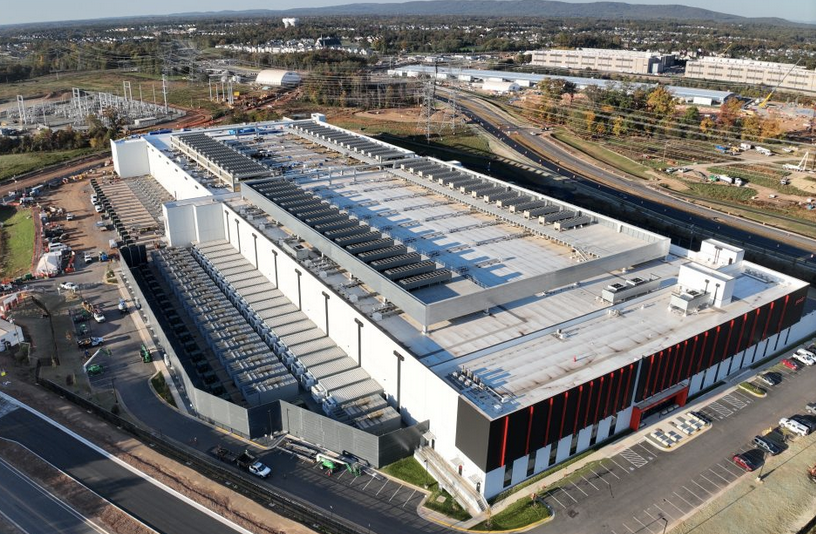
- Growing electricity demand from homes, businesses, and large industrial customers such as data centers
In 2025, Dominion Energy Virginia requested approximately a 15% base-rate increase over two years, citing inflation, higher equipment costs, grid modernization, and increasing demand for electricity. The company also proposed new rate structures intended to ensure that large electricity users—including data centers—pay a greater share of the costs associated with serving their demand.
State Regulators Approved Smaller Increases
Virginia’s State Corporation Commission (SCC) ultimately approved rate increases that were smaller than Dominion’s original request.
According to the SCC’s decision:
- Average residential electric bills are expected to increase by approximately $11.24 per month in 2026
- An additional increase of approximately $2.36 per month is expected in 2027
The Commission also created a separate rate class for very large energy users, including many data centers, with the stated goal of reducing the risk that residential customers bear an unfair share of future infrastructure costs.
Utility Company Financial Performance
Dominion Energy reported strong financial results in 2025.
According to the company’s annual financial filings:
- Operating revenue: approximately $16.5 billion
- Net income attributable to Dominion Energy: approximately $3.0 billion
Company executives have attributed part of this growth to increased electricity demand, particularly from Virginia’s expanding technology sector and data center development.
Why Residents Feel They Have Few Alternatives
Virginia operates under a regulated utility model for most residential electric customers. In many parts of the Shenandoah Valley, households receive electricity from a designated utility service territory rather than choosing among competing providers.
As a result, customers generally cannot switch electric companies if they are dissatisfied with prices. Instead, proposed rate increases are reviewed by the Virginia State Corporation Commission, which determines whether requested increases are reasonable under state law.
Some consumer advocates argue that this structure limits consumer choice, while supporters contend it helps ensure reliable service and long-term investment in electric infrastructure.
Concerns About Future Costs
Residents attending public meetings throughout the Shenandoah Valley have increasingly expressed concerns about whether growing electricity demand—particularly from AI and large-scale data centers—could place additional pressure on the electric grid and contribute to future infrastructure investments.
State regulators have acknowledged these concerns by establishing new pricing requirements for very large customers intended to reduce the possibility that residential customers subsidize infrastructure built primarily to serve high-demand facilities.
Looking Ahead
Utility costs will continue to be influenced by a combination of fuel prices, infrastructure investments, weather, inflation, regulatory decisions, and future electricity demand. While no one can predict future rates with certainty, residents throughout Winchester, Front Royal, Berryville, and surrounding communities are likely to continue following utility filings and State Corporation Commission decisions closely as Virginia’s energy landscape evolves.
Sources
- Dominion Energy 2025 Annual Report and Financial Results.
- Virginia State Corporation Commission rate decisions.
- VPM News – Dominion Energy rate increase proposal.